


Are you wondering what geotargeting is and how it can affect your business? Geotargeting is a powerful marketing strategy. It allows businesses to display custom ads and content to customers.
In this guide, we’ll explain what geotargeting is and why it’s useful in driving online traffic. You’ll learn the difference between geotargeting and geofencing.
Geotargeting helps businesses connect with customers based on their location — but it all starts with a flexible website. The best website builders let you easily integrate local SEO, location-based content, and personalization tools. Check out our recommended website builders to craft a geotargeted site that drives regional engagement.
Build Location-Based Websites with the Best Builders
| Provider | User Rating | Recommended For | |
|---|---|---|---|
 | 4.6 | Beginners | Visit Hostinger |
 | 4.4 | Pricing | Visit IONOS |
 | 4.2 | Design | Visit Squarespace |
What Is Geotargeting? A Quick Definition
Geotargeting is a powerful marketing strategy. It uses a customer’s location to deliver personalized ads and content. Businesses can show digital ads to customers in specific locations.
It collects location data from mobile devices through GPS signals, cellular networks, or IP addresses. The aim is to send the right message to the right user, based on where they are and what they’re interested in.
Geotargeting has grown over time. It started with sending mail to certain postal codes. Today, it allows businesses to use digital ads to reach customers in specific locations or regions.
The Power of Location: Key Benefits of Geotargeting
Here are some key benefits of geotargeting:
1. Increase Engagement and Drive Traffic
Geotargeting can boost both website visits and retail store foot traffic. For example, Ulta Beauty used location data to raise weekly visits by 43%. That shows how local marketing can improve business performance.

2. Deliver Personalized Experiences
Location data lets you create targeted campaigns that attract and engage customers. By understanding local needs, you build stronger customer relationships.

Personalized offers based on location, weather, events, or culture make your marketing more relevant and appealing.
3. Gain a Competitive Edge with Geo-Conquesting
Geo-conquesting is a powerful marketing strategy. It targets customers near your competitors’ stores with attractive offers. It helps you draw potential customers away from your rivals. That’s especially true in highly competitive areas.
This approach also provides valuable foot traffic data. That gives insights into competitor activity and customer behavior in different visitor locations.
How Does Geotargeting Work? The Technology Explained
Now, let’s take a look at how geotargeting works:
The 3-Step Process of How Geotargeting Works
Geotargeting campaigns involve three steps:
- Collecting location data: Mobile apps gather location data when users share their location. This is tracked through GPS signals, cell towers, or IP addresses.
- Building audiences: Marketers link this location data to real businesses such as retail stores or car dealerships.
- Delivering Ads: Ads are shown to users on social media platforms and Google Ads. They may appear instantly when someone enters a location or later, based on past visits.

Privacy and Compliance in Location Targeting
When using location data, you must follow strict privacy rules. Data is only collected from users who give permission through selected apps.
Guidelines from groups like the Network Advertising Initiative and the Digital Advertising Alliance help protect consumer privacy. They help to keep marketing effective.

Namecheap
Geofencing and Geotargeting: What’s the Difference?
While often used together in marketing efforts, geofencing and geotargeting are different. They have various applications and targeting approaches.
| Feature | Geofencing | Geotargeting |
| Method | Creates a virtual boundary (fence) around users location. | Delivers ads based on location and other criteria. |
| Targeting | Targets everyone who enters the defined area. | Targets a specific audience within an area (based on demographics, behavior, and interests). |
| Trigger | A user’s entry or exit from the boundary triggers an action (e.g., push notification). | The system serves ads to a predefined audience that matches location criteria. |
| Example | A coffee shop sends a coupon to anyone who walks past their store. | A luxury car dealership targets high-income earners within a 10-mile radius. |
Understanding this distinction helps you choose the right approach for your marketing campaigns.
4 Main Types of Geotargeting Campaigns
There are four types of geotargeting campaigns available:
1. Region or City-Level Targeting
This location type is useful for targeting a broad area. It targets users in specific states, designated market areas, cities, or counties.

This strategy works best for businesses that operate across large geographic locations. It’s also good for promoting events that need a large audience.
A promoter can advertise to people within a 50-mile radius of their event. The method provides extensive reach and maintains geographic relevance.
2. ZIP Code Targeting
ZIP code targeting provides marketers with more precise targeting than city-level strategies. That’s because it helps marketers connect with specific community segments.
Local businesses enjoy this level of precision. That’s because it helps them to focus their funds toward areas they serve. A local plumber can direct ads to focus on specific postal codes that fall within their service area. That helps to maximize ad reach for local prospects.
3. Radius or Proximity Targeting
Radius targeting is a type of geofencing ad campaign. It delivers relevant content to individuals around a selected circular area. This circular area extends from the location of your business.
Radius targeting displays promotional content to people near your business. Restaurants, specific retail locations, and service businesses find this approach very effective.
4. Geo-conquesting
This strategy delivers ads to users near location groups run by competitors. Burger King delivered a 1-cent Whopper promotion through their app to users. These users were within 600 feet of McDonald’s locations.

How to Start Using Geo Targeting: A 4-Step Guide
Here’s a 4-step guide on how you can begin using geotargeting:
Step 1: Define Your Campaign Objectives
Start your geotargeting campaign by setting precise and measurable goals. All successful marketing campaigns need specific and well-established objectives to succeed.
The three main goals of geotargeting campaigns include:
- Raising customer visits to physical locations.
- Increasing brand exposure across new markets, states, or specific countries.
- Driving sales from targeted areas.
Each goal needs certain strategies to track the outcomes of performance. You also need to highlight what success will look like for your business.
Are you opening a new location? Competing against established rivals? Promoting seasonal offers? Your business goals need to match the goals you set. They should support your marketing strategy.
Step 2: Understand and Locate Your Audience
To define your target audience, create buyer personas that include details like age, gender, income, interests, and challenges. Use demographic data to guide your location targeting.
Demographic data forms the basis for implementing location targeting strategies. Look at where your audience lives, works, and spends their free time. This helps you identify them and choose the best areas for your marketing campaigns.

Step 3: Create a Digital Home for Your Audience
You need a platform that allows users to learn more and complete their purchases. You need a fast and reliable platform to host your landing page. Your brand needs a digital presence to serve as its storefront. That’ll boost lead acquisition and sales conversion.

If you want to create an online presence, consider using Hostinger and IONOS. That’s because these platforms provide user-friendly interfaces for creating professional websites.
As your business grows, you get to handle increased traffic. To cater to this demand, you need to invest in the best web hosting service.
Step 4: Choose Your Geotargeting Tools and Launch
- Beginners: Start with the built-in geotargeting tools on Facebook, Instagram, or Google Ads. They’re simple to use and come with tutorials.
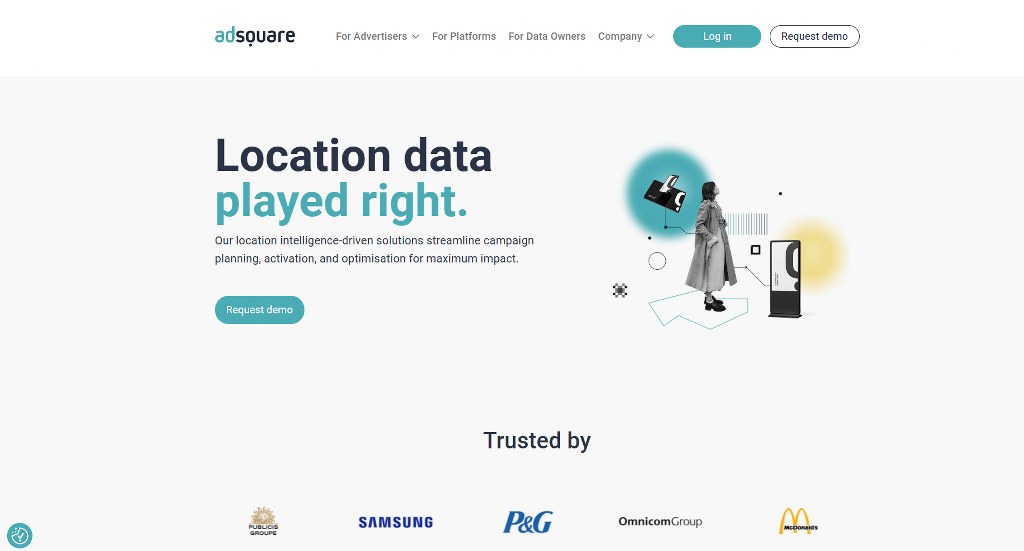
- Intermediate: Buy ready-made audiences from marketplaces like Kochava or Adsquare.
- Advanced: Work with specialized providers. They can create custom audiences and give detailed reports on customer foot traffic.

Important Considerations for Your Geotargeting Campaigns
Here are some important points to note when using geotargeting campaigns:
Business and Product Fit

To succeed with geotargeting, you need physical locations and services tied to specific areas. Retailers usually need 10–20 locations for the best results. Local service providers can also benefit. That is by targeting the areas around their service regions
Timing, Frequency, and Cost
The timing of your advertisements is also important. Coffee shop advertisements should run during morning rush hours instead of nighttime. Restaurant promotions achieve their highest success rates during dining periods.
The frequency of your target ads is also important. The number of impressions needs to be sufficient without frustrating potential customers. Most experts suggest that you should limit exposure to 3-5 times per person per week.
The costs for geotargeting campaigns match standard targeted campaigns. The cost ranges between $1 and $3.
However, this depends on the level of targeting granularity. The more specific you are on location and audience, the higher the costs. But this provides better conversion rates.
Conclusion
If you’ve been asking the question, “What is geotargeting?” then you’ve gotten the right message. With the right strategy, you can target the right customers and the right audience. That will make your campaigns smarter and more successful.
You can also add digital marketing to your marketing strategy for better results.

Next Steps: What Now?
So, you’ve learned about audience targeting. What are the next steps you should put into action?
- Review your campaigns and see where geotargeting can make them better.
- Explore tools like Google Ads, Facebook Ads, or programmatic platforms.
- Test small location-based campaigns around your business or service area.
- Localize your content using local seo.
- Keep in touch with privacy rules.
- Expand your geotargeting strategy to new markets or regions.
Further Reading & Useful Resources
Here are more resources you can read up on and learn more about marketing campaigns:
- What is marketing: definition, purpose, and best practices
- Marketing strategy vs marketing plan: differences plus examples
- What is retail marketing, and why is it important?
- Psychology of marketing: a guide with tactics to reach customers
- The importance of digital marketing in the 21st century
- What are marketing techniques, and which ones actually work?


