


Want to work remotely but don’t know where to start? Learning how to become a virtual assistant is one of the simplest ways to start working online.
The demand for virtual assistants is growing, and you don’t need any experience to start. This article will show you how to launch your VA career from home and build a profitable business.
Top Platforms to Launch Your Virtual Assistant Business Online
| Provider | Type of Website | Earning Potential | |
|---|---|---|---|
 | Freelance Platform | $5-$10,000 | Visit Fiverr |
 | Job Board | Up to $25/hour | Visit FlexJobs |
 | Freelance Platform | $5-$100/hour | Visit Upwork |
What is a Virtual Assistant?
A virtual assistant works from a remote location. They offer support services to businesses, entrepreneurs, or busy professionals. Unlike traditional administrative tasks, virtual assistants work from their own space. They use technology to deliver services without being physically present.
Many people mistakenly believe that virtual assistance is only about answering phones. They also think it only means scheduling appointments. In reality, today’s virtual personal assistants perform numerous duties. They work on complex project management and do specialized technical work.
Businesses hire VAs for many reasons:
- Cost savings compared to full-time employees.
- Flexibility in scaling support hours.
- Access to specialized skills without long-term commitments.
Common VA Services and Specializations
Virtual assistants offer a wide range of services based on their skills and interests:
- Administrative support: This includes managing emails, organizing calendars, and entering data. It also covers travel arrangements and preparing documents. These organizational tasks form the backbone of traditional virtual assistant services.
- Social media management: This means planning content calendars and scheduling posts. It also involves engaging with followers. It also involves checking performance numbers on different social media platforms.
- Content creation: This service includes blog writing and newsletter drafting. It also involves proofreading, editing, and basic graphic design for content marketing materials.
- Customer service: This means managing inquiries via email or chat. It also involves processing orders, handling returns, and keeping strong client relationships.
- Bookkeeping: This means processing invoices. It also involves tracking expenses and doing simple accounting tasks.
- Technical support: This aspect of VA service helps with updating websites. It also covers managing software. It fixes tech problems and connects systems.
- Project management: This means coordinating team efforts and tracking deadlines. It also means managing resources and ensuring that projects are completed.

Some virtual assistants work in specific fields. In the legal field, they manage case files and court schedules. In the medical field, they specialize in creating records and appointments. In real estate, they coordinate showings and prepare documents.

Assessing Your Existing Skills
Before you start training, take your time to assess the skills you already bring with you. Most people have more transferable skills than they realize. These skills can help in many areas.
Did you organize family events? That’s project management. Managed household finances? That’s bookkeeping experience. Helped friends with computer program problems? Technical support skills.
Soft skills matter in virtual assistance. Strong written communication, careful attention to detail, and problem-solving skills are very important. They are often more valuable than technical knowledge, which you can learn easily.
Make a comprehensive list of your skills, including:
- Software you’re comfortable using.
- Communication abilities (writing, speaking, listening).
- Organizational systems you’ve implemented.
- Problems you’ve solved creatively.
- Projects you’ve managed to complete.
Identifying Your Ideal VA Niche

While general VA services have their place, specializing in a niche often leads to higher rates and more consistent work. The sweet spot lies at the intersection of:
- Your existing skills and strengths: What comes naturally to you?
- Your interests and passions: What work would keep you engaged?
- Market demand: What services are businesses actively seeking?
Research in-demand specializations. Browse job boards like Upwork and study successful VAs on LinkedIn. Join VA Facebook groups to see what clients ask for most often.
For example, if you have a healthcare background and enjoy writing, you might choose a special path. You can focus on medical content creation. You are detail-oriented and good with numbers. Bookkeeping for specific industries might be your niche.
Find your service sweet spot. Write down specializations that match your skills, interests, and market needs. This becomes your initial focus area, though you can always expand later.

Essential Skills to Develop
While you don’t need to master everything before starting, developing certain core skills will make you more marketable as a VA:
Communication skills form the foundation of virtual assistance. Practice writing clear, concise emails and messages. Learn to ask clarifying questions and confirm understanding. Develop active listening skills for client calls.
Time management skills are very important when you work with several clients. Learn about different ways to be more productive. Try using methods like time blocking, the Pomodoro Technique, or the Eisenhower Matrix. Learn to estimate task durations accurately.

Basic tech skills are required. Ensure you’re comfortable with:
- Microsoft Office or Google Workspace (especially spreadsheets).
- File sharing and cloud storage systems.
- Video conferencing platforms.
- Basic troubleshooting for common tech issues.
Organization skills are important. They help you track deadlines and deliverables. Learn to build systems. They help stop things from falling through the cracks.
Problem-solving abilities set exceptional VAs apart. Develop a methodical approach to identifying issues, researching solutions, and implementing fixes without constant client input.
Free and Low-Cost Training Resources
You don’t need expensive certifications to start your VA journey. Numerous free and affordable resources can help you develop the necessary skills:

- Online learning platforms: Coursera, Udemy, and LinkedIn Learning offer courses on everything from basic administrative skills to specialized software. Many libraries provide free access to these platforms.

- YouTube tutorials: Try channels like “Laptop Lifestyle” and “The Virtual Savvy”. These channels offer practical VA training at no cost.
- Podcasts: You could listen to podcasts like “The Virtual Assistant Podcast” and “Freelance to Freedom”. They provide actionable advice and inspiration while you’re in commutes or doing chores.
- VA-specific blogs: Try visiting sites like “Horkey HandBook” and “The VA Handbook”. These sites publish detailed guides on starting and growing a VA business.
- Free software trials: Most business tools offer free trials or limited free versions. Use these to practice before investing.

Focus your learning on high-impact skills relevant to your chosen niche. Don’t try to master everything at once.
Building Your VA Toolkit
Creating an efficient workspace will set you up for success. You don’t need expensive equipment to start. Many successful VAs began with just a laptop and a reliable internet connection.
Essential tools include:
- A reliable computer with sufficient processing power.
- A stable internet connection (consider a backup option).
- Noise-canceling headphones for client calls.
- Basic productivity software (often free alternatives work well).
- Cloud storage for secure file management.
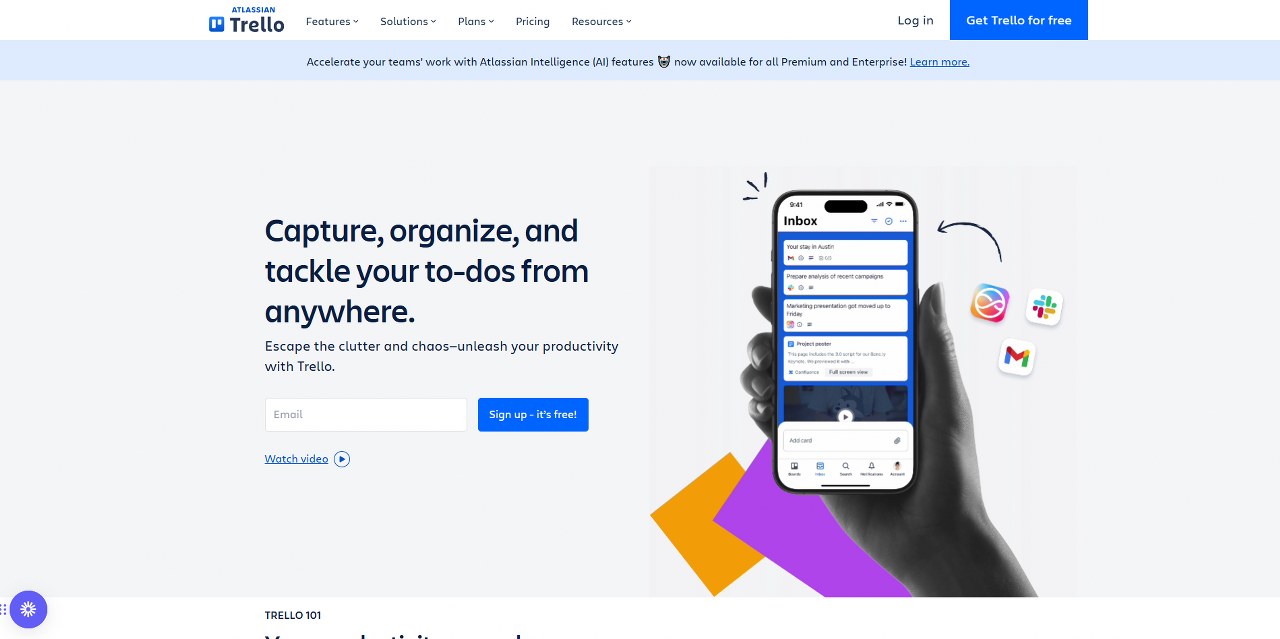
- Project management tools like Trello or Asana.
- Time tracking software like Toggl or Harvest.

Build templates for common tasks. They save time and help keep your work consistent. Develop systems for tracking client preferences, passwords (using secure password managers), and project deadlines.

Creating Your Online Presence
In the virtual world, your online presence is your storefront. Start with these essentials:
1. Professional email address:
Set up a business email account. Use your own domain, such as yourname@yourbusiness.com, instead of a personal account.
2. A professional website:
As a freelance virtual assistant, creating a well-designed website is more than helpful. Clients want to see a polished, professional website. It should show your skills, services, and testimonials.
A well-designed site makes you look credible and helps you stand out in a competitive market. However, a slow or unreliable website can drive potential clients away.
That’s why choosing the best web hosting is essential. It ensures fast loading times, robust security, and a smooth user experience. This makes it easier to land more clients.
3. LinkedIn profile:
Improve your profile with relevant keywords. Use a professional photo and include detailed descriptions of your services.
4. Freelance platform profiles:
Make accounts on sites such as Upwork, Fiverr, or Freelancer. This helps you find job opportunities.

Even without client work, you can build a portfolio. Create samples that clearly show your skills. For example, if you offer email management, create templates showing your organizational system. For social media management, develop sample content calendars or mock campaigns.
Crafting Your VA Service Packages
Setting your rates and structuring your services require strategic thinking. Research current market rates by:
- Studying competitor profiles on freelance platforms.
- Joining VA Facebook groups where rates are discussed.
- Reviewing industry surveys and reports.
As a beginner, expect to start at the lower end of the market (typically $15-25/hour in the US market). Then, you can gradually increase as you gain experience and testimonials.
Consider offering both package-based and hourly options:
- Package-based services: One option is 10 hours of administrative support for $200 per month. Another option is complete social media management for $500 per month.
- Hourly rates: Hourly rates offer flexible support. You can also bill by the hour. There is usually a minimum commitment.
Create clear service descriptions that outline exactly what clients receive. Don’t forget to include expected turnaround times and communication methods. Establish boundaries about availability and rush requests to prevent burnout and scope creep.
Finding Your First Clients
The biggest hurdle for new VAs is landing those first few clients. Try multiple approaches simultaneously:

Start with your existing network. Tell your friends, family, and former colleagues. Let them know about your new business.
They might need your help or know someone who does. A simple social media post can bring surprising results.

Cold outreach is a useful way to reach people. It works best when you target the right audience. Identify businesses that might benefit from your services. Then, send them a personalized email on how you can solve their specific challenges.
Freelance platforms provide structured access to clients actively seeking VAs. Build standout profiles that show your unique strengths. Respond quickly to job postings with proposals tailored just for you.
Consider offering limited free work. Do one specific task instead of ongoing support to build testimonials. For example, you might offer to organize someone’s inbox. You might also perform content calendar management in exchange for a review.
Nailing the Client Onboarding Process
Creating a smooth onboarding process helps set the tone for strong client relationships. Create a professional intake form. It should gather key details. Ask about the client’s business, goals, preferences, and access needs. This shows clear organization. It also shows thoroughness.

Tell people which channels to use. Also, say how fast you reply and what hours you work. Will you use email as your main way to talk? Or will you use Slack or scheduled calls? How quickly should they expect responses?
Create a simple contract. It should say what services you will provide and how you will get paid. It should also outline confidentiality agreements and termination procedures.
Templates are available online. Consider having a legal professional review your final document.
Decide on your payment methods. Set your policies early. Will you require deposits? What payment platforms do you accept? What happens if payment is late? Clarity prevents future misunderstandings.
Also, don’t forget to try and maintain an excellent work-life balance. Make sure to take care of your personal commitments.

Delivering Exceptional Service
Your reputation as a VA depends on consistently exceeding expectations:
Go beyond task completion to provide additional value. If you notice inefficiencies in a client’s processes, respectfully suggest improvements. Anticipate needs before they arise.
Maintain proactive communication. Don’t wait for clients to check-in. Provide regular updates on projects and flag potential issues early. Confirm receipt of assignments and clarify instructions when needed.
Develop systems for managing deadlines and priorities, especially when juggling multiple clients. Use project management tools to track your own tasks and set reminders for important deadlines.
When problems inevitably arise, face them with a strong and solution-focused mindset. Offer several clear choices instead of simply pointing out every single obstacle. This demonstrates your problem-solving abilities and reduces client stress.

Regularly request feedback and implement suggestions for improvement. This shows your commitment to growth and helps strengthen client relationships.
Growing Your VA Business
Once you’ve learned how to become a virtual assistant with a few steady clients, focus on strategic growth:
Gradually increase your rates as you gain experience and testimonials. Existing clients may accept a 10–15 percent increase if your service is excellent. New clients can be onboarded at higher rates.

Expand your service offerings based on client needs and your developing skills. Listen for pain points that aren’t addressed by your current services.
Build a referral network by connecting with complementary service providers. If you specialize in administrative assistance, reach out to social media and project managers. They might refer clients who need your help.
Consider making a passive income by selling digital products. Use your expertise to create templates, guides, or courses that show what you know. These can generate revenue without requiring your direct time.
As demand grows, you might scale your business by subcontracting less meaningful work to other virtual assistants. You may also build an agency model. This allows you to increase your income without working more hours personally.
Want to explore other forms of making money online without experience?
Check out this in-depth guide on how to make money freelancing.
Conclusion
Learning how to become a virtual assistant is absolutely achievable with the right approach. Begin by using your current skills. Build a strong online profile and focus on offering great value to your first clients.
Remember that everyone starts somewhere. Even the most successful VAs began exactly where you are now. Take that first step today by assessing your skills and researching potential niches.

Next Steps: What Now?
Ready to start your career as a VA? Here’s how:
- Assess your skills.
- Take free training.
- Set up your online presence.
- Choose your services & rates.
- Find your first clients.
- Optimize your workflow.
- Deliver exceptional service.
- Scale your own business.
Further Reading & Useful Resources
Boost your virtual assistant business with these guides:
- How to Make Money Online: Learn how to start making money online hassle-free today.
- Make Money Online as a Teenager: Discover ways teens can make money online.
- Make Money Typing: Earn from typing, transcription, and data entry.
- Make Money with ChatGPT: Use AI for freelancing and automation.
